- Listens deeply
- Practical skills
- Values focused
About Angela
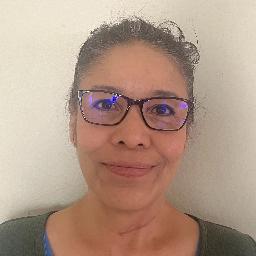
Angela Whitecrane Widdicombe is a licensed therapist based in Montana who helps people with low self esteem, stress, anxiety, addiction concerns, depression, grief, and relationship or intimacy struggles. She brings three decades of clinical experience to conversations about coping with life changes, trauma, and caregiver fatigue. Angela focuses on helping people feel heard and more able to move forward.
She draws on a mix of practical, evidence-informed approaches. In sessions Angela listens first and asks simple, clear questions about what is happening now. She uses techniques from cognitive behavioral work to spot unhelpful thinking and from acceptance-based methods to help people make room for hard feelings while moving toward values. Therapy includes talking, skill practice, and checking what works between sessions.
Angela has worked in clinical settings for many years and has experience supporting people who have faced homelessness, foster care needs, and addiction challenges. Her background shapes a direct, steady style that aims to reduce blame and build useful ways to cope. She leans on relationship and connection as part of change.
Sessions are grounded in respect and plain talk. Angela explains methods in everyday language and helps people set small, realistic goals. She combines emotional support with practical steps for improving mood, communication, and self worth.
People who want a therapist who listens and offers clear tools often look to her for help with navigating loss, rebuilding trust after trauma, and managing long-term stress. Her work centers on helping clients identify what matters and take manageable steps toward it.
She draws on a mix of practical, evidence-informed approaches. In sessions Angela listens first and asks simple, clear questions about what is happening now. She uses techniques from cognitive behavioral work to spot unhelpful thinking and from acceptance-based methods to help people make room for hard feelings while moving toward values. Therapy includes talking, skill practice, and checking what works between sessions.
Angela has worked in clinical settings for many years and has experience supporting people who have faced homelessness, foster care needs, and addiction challenges. Her background shapes a direct, steady style that aims to reduce blame and build useful ways to cope. She leans on relationship and connection as part of change.
Sessions are grounded in respect and plain talk. Angela explains methods in everyday language and helps people set small, realistic goals. She combines emotional support with practical steps for improving mood, communication, and self worth.
People who want a therapist who listens and offers clear tools often look to her for help with navigating loss, rebuilding trust after trauma, and managing long-term stress. Her work centers on helping clients identify what matters and take manageable steps toward it.