- Warm collaborative style
- Practical coping skills
- Trauma-informed care
About Amanda
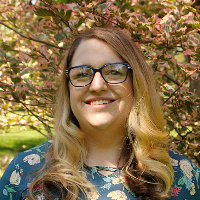
Amanda Dunn is a Licensed Professional Counselor in Colorado with eight years in the mental health field. She brings a calm, down-to-earth manner to sessions and aims to help people facing stress, anxiety, and low self esteem. Amanda often works with new parents, teens, and young adults who are learning to cope with life changes and emotional overwhelm.
Before shifting into outpatient counseling, Amanda gained experience across community settings where she focused on mood concerns and trauma. She uses straightforward methods to help people notice patterns, reduce intense reactions, and build clearer habits for daily life. Sessions tend to focus on practical steps alongside chances to reflect on past events.
Amanda uses a client-centered approach that keeps each person’s goals in view. She also draws on cognitive behavioral ideas to map thoughts and behaviors, and on EMDR when processing trauma is appropriate. Mindfulness practices appear in session to help with grounding and managing stress.
Her style is collaborative and warm. She invites people to set the pace and works together to choose strategies that fit each person’s situation. Amanda emphasizes honesty and real-world tools over jargon.
People come to her for help with depression, panic, sleep problems, relationship and intimacy-related concerns, and issues tied to identity such as gender dysphoria and LGBT stress. She also supports those exploring kink, polyamory, and alternative sex cultures who want practical guidance and nonjudgmental discussion.
To begin, clients complete a short matching questionnaire and then schedule sessions based on therapist availability. The subscription used for sessions can be canceled at any time.
Before shifting into outpatient counseling, Amanda gained experience across community settings where she focused on mood concerns and trauma. She uses straightforward methods to help people notice patterns, reduce intense reactions, and build clearer habits for daily life. Sessions tend to focus on practical steps alongside chances to reflect on past events.
Amanda uses a client-centered approach that keeps each person’s goals in view. She also draws on cognitive behavioral ideas to map thoughts and behaviors, and on EMDR when processing trauma is appropriate. Mindfulness practices appear in session to help with grounding and managing stress.
Her style is collaborative and warm. She invites people to set the pace and works together to choose strategies that fit each person’s situation. Amanda emphasizes honesty and real-world tools over jargon.
People come to her for help with depression, panic, sleep problems, relationship and intimacy-related concerns, and issues tied to identity such as gender dysphoria and LGBT stress. She also supports those exploring kink, polyamory, and alternative sex cultures who want practical guidance and nonjudgmental discussion.
To begin, clients complete a short matching questionnaire and then schedule sessions based on therapist availability. The subscription used for sessions can be canceled at any time.